For many people, renting feels like the easiest option. It’s flexible, requires less upfront commitment, and avoids the perceived complexity of buying a home. But what most renters don’t realize is that renting is often the most expensive long-term decision they can make. If you’re currently renting and considering your next move, especially in today’s market, it’s time to seriously evaluate the benefits of homeownership—particularly with new construction opportunities from Turlington Homes. With homes starting in the $180s, first-time homebuyers have a realistic and achievable path to ownership—and a smarter financial future. Renting vs. Buying: The Real Financial Difference When you rent, your monthly payment builds zero equity. You are effectively paying your landlord’s mortgage, not your own. When you buy, every payment contributes to: Building equity Increasing your net worth Creating long-term financial stability Renting: Monthly payments go to your landlord Rent often increases annually No ownership or return on investment Limited control over your living space Buying: Fixed monthly payments (in most cases) Equity growth over time Property appreciation potential Full control over your home With interest rates and financing programs designed to assist first-time buyers, the gap between renting and owning is smaller than most people think. Why First-Time Buyers Are in a Strong Position Right Now Many buyers assume they need perfect credit, large down payments, or years of savings to purchase a home. That’s simply not the case anymore. First-time homebuyer programs often include: Low down payment options Flexible credit requirements Grant and assistance programs Competitive interest rates Seller or builder incentives Turlington Homes works with buyers to help navigate these programs, making ownership accessible even if you’re just starting your financial journey. The Advantage of Buying New Construction with Turlington Homes Not all homes are created equal. One of the biggest advantages of choosing Turlington Homes is that you are purchasing brand new construction, not inheriting someone else’s problems. What that means for you: No costly repairs or outdated systems Energy-efficient construction (lower utility bills) Modern layouts designed for today’s lifestyle Builder-backed quality and reliability Instead of worrying about replacing a roof, furnace, or plumbing, you can focus on enjoying your home. Designed for First-Time Homebuyers Turlington Homes offers thoughtfully designed models that balance affordability, comfort, and style. Prairie Ranch Model Approximately 1,200 sq ft 3 bedrooms, 1.5 bathrooms Single-story living Optional garage Perfect for buyers looking for low maintenance and efficient living. Barclay Model (Cape Cod Style) Approximately 1,300+ sq ft 3 bedrooms, 1.5 bathrooms 1.5-story layout Optional fireplace and garage Ideal for buyers who want character and flexibility in their home design. Southland Model (Modern Farmhouse) Approximately 1,900+ sq ft 4 bedrooms, 2.5 bathrooms Two-story home Front and back porches Garage and optional bonus space A great option for growing families or buyers planning for the future. Monthly Payments May Be Closer Than You Think One of the biggest misconceptions is that buying is significantly more expensive than renting. In reality: Rent in many areas is already $1,200–$2,000+ per month Mortgage payments on homes in the $180s can be comparable, depending on financing The key difference? One builds wealth. The other does not. Stability, Control, and Pride of Ownership Beyond finances, homeownership offers something renting never can: Stability for you and your family Freedom to customize your space A sense of accomplishment and pride Long-term security You’re no longer subject to lease renewals, rent increases, or landlord restrictions. Why Act Now? Waiting often costs more than acting. Home prices tend to increase over time Rent continues to rise Interest rates fluctuate Opportunities for incentives may not last Buying now allows you to lock in your cost of living and start building equity immediately. Turlington Homes Makes the Process Simple For first-time buyers, the process can feel overwhelming—but it doesn’t have to be. Turlington Homes works with you every step of the way: Guidance through financing options Assistance with first-time buyer programs Transparent pricing and model selection Streamlined building and closing process The goal is simple: make homeownership achievable and stress-free. Take the First Step Toward Ownership If you’re currently renting, ask yourself one question: Do you want to keep paying someone else’s mortgage—or start building your own future? With affordable pricing, modern designs, and first-time buyer support, Turlington Homes offers a clear path forward. Start Your Journey Today Visit www.turlingtonhomes.com to explore available models, learn about financing options, and take the first step toward owning your home. Turlington Homes You Dream It. You Design It. We Build It. You Live It.

Presented by Turlington Homes | Global Real Estate Development
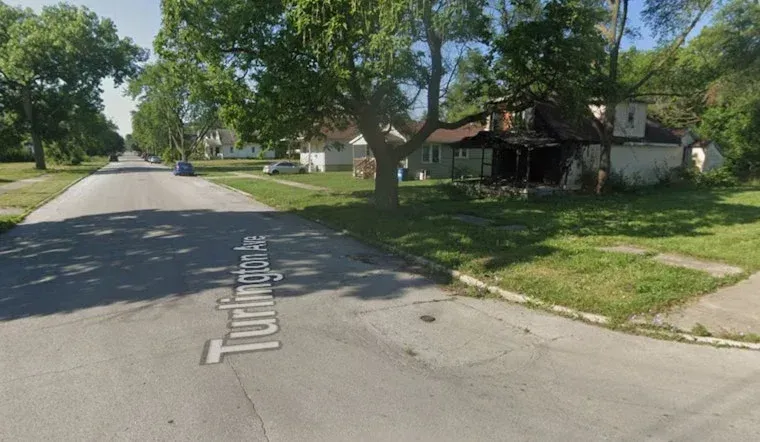
On Tuesday, Harvey officials and developers grabbed shovels for a ceremonial groundbreaking on the Turlington Homes redevelopment along the 15100 block of Turlington Avenue, a stretch lined with long-vacant city lots. The photo-op marked a visible move toward new single-family houses in a south suburb juggling a fiscal crisis and a sudden change at the top of City Hall. City Hall sells it as a neighborhood reset Acting Mayor Shirley Drewenski and project supporters cast the plan as a stabilizing force for the neighborhood. Drewenski said the new houses “will strengthen our community, support growth and help move the city forward.” The celebration came with a catch. The event was mostly symbolic, with permits and other approvals still pending, according to the Chicago Tribune . Deal approved under late Mayor Clark The redevelopment agreement cleared the City Council last year under Mayor Christopher Clark, before his unexpected death on Jan. 30. ABC7 Chicago reported Clark’s death, while a Feb. 23 council vote installing Drewenski as acting mayor was covered by FOX 32 Chicago . The deal, which would transfer 10 city-owned lots for redevelopment, arrived as Harvey’s finances drew tougher scrutiny. It also drew complaints that residents were cut out of the process, according to Harvey World Herald . Developer touts energy-efficient starter homes The company behind Turlington Homes says it plans three model designs with energy-efficient finishes and optional solar packages pitched to first-time buyers and small families. The project aims to repurpose more than a dozen vacant parcels on the 15100 block, offering modern layouts and warranty programs to buyers, according to the developer’s materials. Turlington Homes markets the build-out as a community-minded redevelopment that swaps empty, weedy lots for new roofs and fresh tax bills. Neighbors cry foul on ‘rushed’ process Not everyone on Turlington Avenue is sold. Some longtime residents say City Hall moved too fast on the sale and the subsequent ceremonies. “It just feels like we’re doing a fire sale to some legal friends downtown,” resident Amanda Askew said, criticizing how quickly the lots were approved for transfer. Harvey World Herald documented neighborhood pushback at council meetings, including residents who said they wanted more public hearings before the city gave up the land. Permits, timeline and starting prices Developers say they still need permits before any real construction can begin, but have told reporters they expect work to start in March 2026. Under the redevelopment agreement, the build-out is projected to wrap up in the final quarter of 2027, with the city allowed to help the project along by selling the lots at a discounted price. Chicago Tribune noted a site sign advertising starting home prices at about $180,000 and reported that the development would pick up 10 unused city-owned properties on the 15100 block of Turlington Avenue. High stakes in a city under financial strain Residents, opposing aldermen, and civic watchdogs are expected to keep close tabs on how permits are handled, what the final price points look like, and whether the city squeezes enough long-term value out of the land. Coverage last year noted that Harvey declared a state of financial distress in October 2025, setting the backdrop for every new public-private deal that follows. Local leaders say future partnerships will be judged against that reality, according to reporting by CBS Chicago . For now, residents are left weighing whether a row of new houses on Turlington Avenue is the start of a turnaround or just the city’s most visible bet in a very tight financial game.
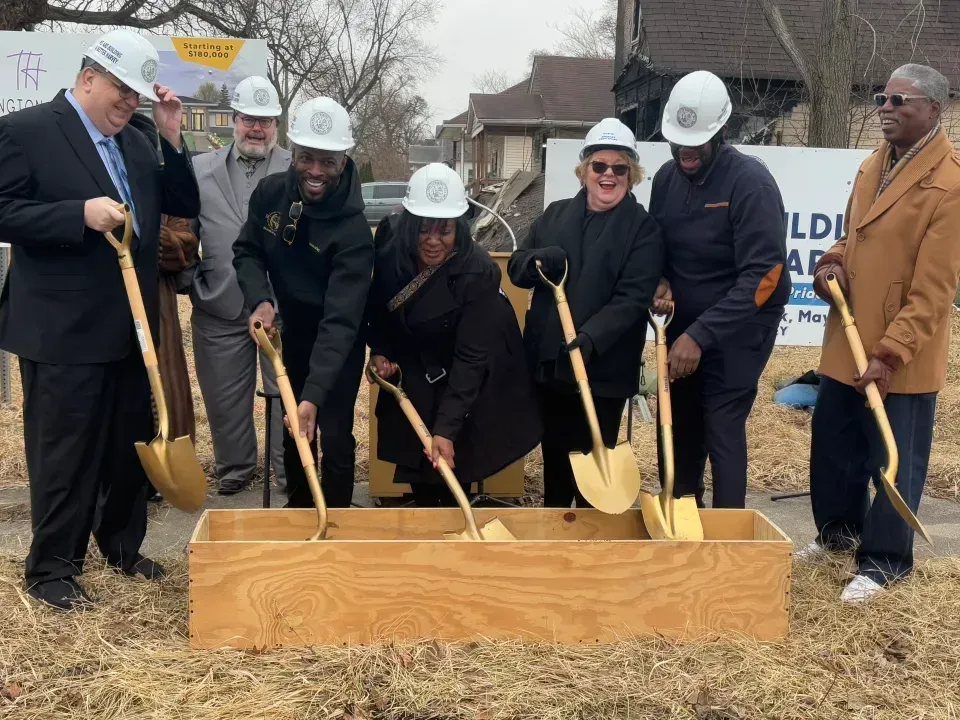
Harvey officials came out in frigid weather Feb. 24 for a symbolic groundbreaking on Turlington Homes, a redevelopment project approved last year under the late Mayor Christopher Clark. The Turlington Homes project is one of the only initiatives Harvey has undertaken since declaring a state of financial distress in October. The Turlington Homes project was approved at the first City Council meeting after that declaration, where it was the only item of new business. Acting Mayor Shirley Drewenski was elected by the City Council Feb. 23 to serve out the remainder of Clark’s term. “These homes will strengthen our community, support growth and help move the city forward,” Drewenski said at the ground-breaking. Speakers commemorated the late mayor, praising his drive and vision. John Groff, vice president of Global Real Estate Development, the project’s developer, called Clark’s vision for Harvey outstanding. “When we got the call about Harvey, we looked up Harvey, we said, it’s a small little borough, let’s go out there and let’s see what they have to say,” Groff said. “Meeting the former mayor, Mayor Clark, was an inspiration, because even though you didn’t want to hear what he had to say, he told you.” However, some residents opposed the project, criticizing its suddenness and lack of public input. There was no debate on the proposed development agreement when it was approved, as 3rd Ward Ald. Telanee Smith called the question, bringing the issue to an immediate vote. At that meeting, resident Amanda Askew accused the city of hastily selling off assets while in financial distress. “It just feels like we’re doing a fire sale to some legal friends downtown,” Askew said. “We just continue to act like this is a liquidation sale for the city of Harvey.” Another resident, Mauzkie Ervin, argued that because the city appealed for state financial aid, transactions involving city assets like the Turlington Homes agreement should be subject to state approval. While Harvey has applied for a state takeover of its troubled finances under the Illinois Financially Distressed City Law, the state has yet to take any action.

A New Chapter of Affordable Homeownership Begins On February 24, 2026, the City of Harvey, Illinois marked a historic milestone with the official groundbreaking of Turlington Homes by Global Real Estate Development. Led by Mayor Shirley Drewenski and in partnership with Global Real Estate Development, this first phase introduces 16 newly constructed custom homes designed to provide affordable, high-quality housing opportunities in a city ready for renewal. Homes will start in the $180,000s, bringing attainable homeownership within reach for families seeking stability, modern construction, and long-term investment in their community. A video of the groundbreaking ceremony is attached below, capturing this powerful moment of progress and partnership.
Modern home design
New construction homes
Residential development
Open-concept floor plans
Contemporary architecture
Energy-efficient homes
Family-friendly housing
Housing investment
Low-maintenance homes
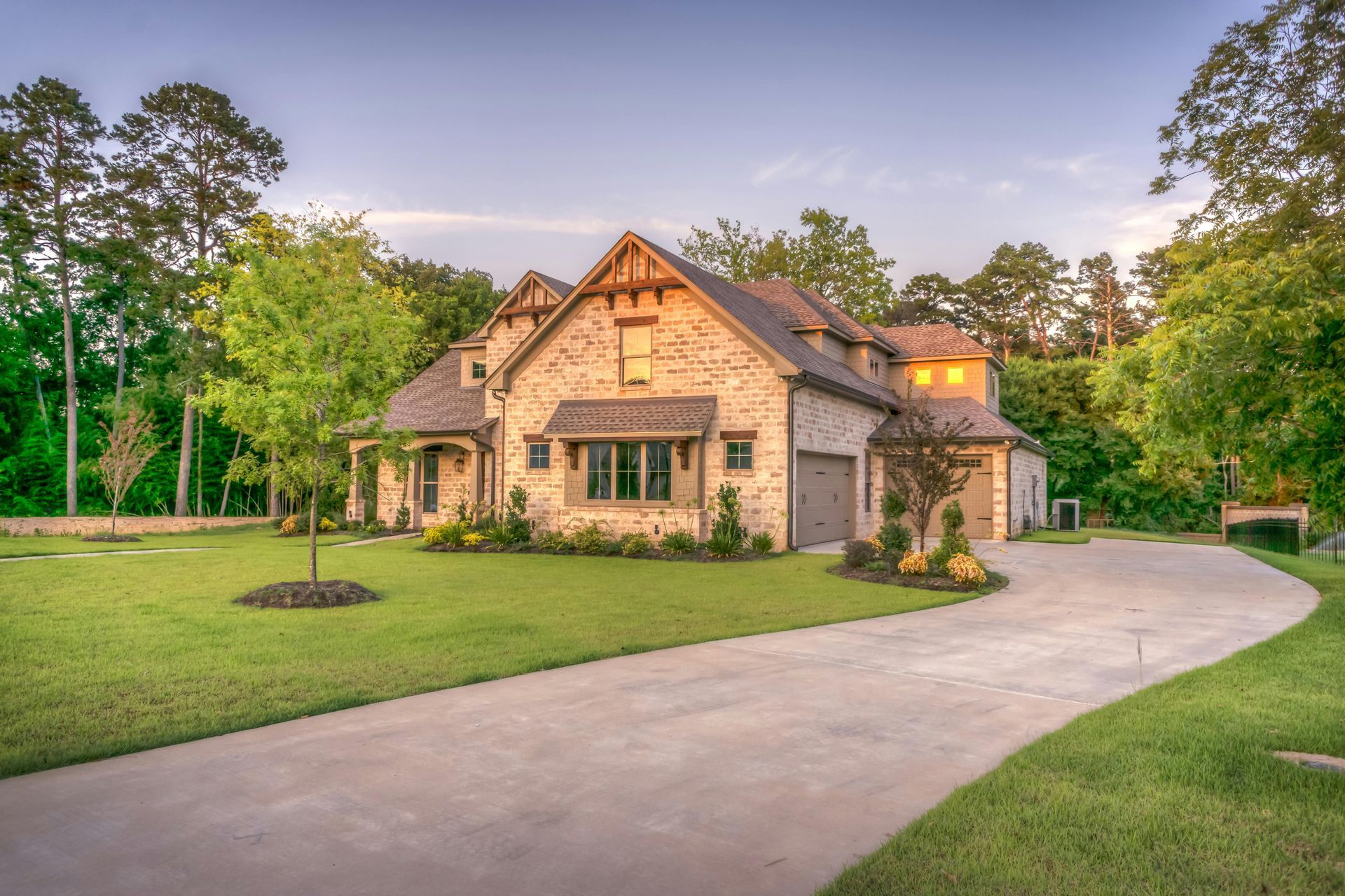
Turlington Homes by Global Real Estate Developments is more than a new housing project—it’s a statement about Harvey, Illinois and what the city can become when private investment and community needs actually align. At a time when many suburbs are struggling with aging housing stock, vacant properties, and uneven neighborhood stability, a thoughtfully executed residential development can serve as a catalyst: it strengthens property values, improves quality of life, and signals to families and businesses that Harvey is building momentum in the right direction. Why Turlington Homes matters to Harvey Harvey has long faced the challenges that come with disinvestment— vacant lots, distressed homes, and properties that fall behind on taxes. When homes sit empty, the impact doesn’t stop at one address. Nearby owners see values soften, insurance risks rise, and neighborhood pride take a hit. Turlington Homes addresses that cycle directly by bringing renewed housing opportunities into the local market and replacing “blight” with stability. New and rehabilitated homes do something extremely practical: they expand the tax base. Each occupied home contributes property tax revenue that helps fund city services, schools, and infrastructure. Over time, that steady revenue makes it easier for the city to maintain streets, lighting, sanitation, and public safety—all of which further supports property values and attracts additional investment. It’s a positive feedback loop: better housing leads to stronger neighborhoods, which encourages more homeownership and responsible property maintenance. Turlington Homes also represents opportunity for residents. Homeownership remains one of the most reliable pathways to building generational wealth. When local families can purchase quality homes in their own community, they’re not only securing a roof over their heads— they’re investing in a future asset. That kind of stability can reduce turnover, increase community involvement, and support stronger neighborhood networks. Just as important, projects like Turlington can create local economic activity. From contractors and tradespeople to suppliers and service providers, housing development puts money into the local economy. Even after construction, occupied homes support nearby small businesses— grocery stores, barbershops, restaurants, childcare providers—because people with stable housing spend locally and consistently. Why it matters to the real estate market From a broader market perspective, Turlington Homes reflects an important shift: buyers are increasingly value-driven. In many regions, affordability pressures have pushed families to look beyond traditional “hot” markets and consider communities where they can still purchase a home without sacrificing financial stability. Harvey sits in a strategic position near major Chicagoland job centers, transportation corridors, and regional amenities. When housing options improve, the city becomes more competitive for first-time homebuyers, working families, and investors who prioritize long-term growth over quick flips. Turlington Homes also contributes to market confidence. Real estate runs on perception as much as it does on numbers. When credible developers invest in a community and deliver visible results—finished homes, occupied units, maintained lots—it changes how buyers, lenders, and neighboring markets view the area. That can improve financing opportunities, encourage responsible investment, and raise the overall standard of housing stock. The bigger picture Ultimately, Turlington Homes by Global Real Estate Developments matters because it’s not just about building houses—it’s about strengthening Harvey’s foundation. It supports families, stabilizes neighborhoods, expands the tax base, and positions the city to compete in a market where affordability and quality are driving demand. For Harvey, projects like this are how you move from surviving to growing—and how you turn potential into progress.
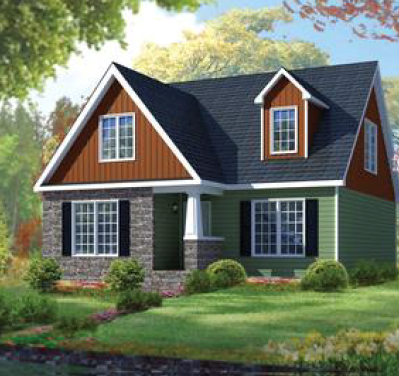
By Turlington Homes Deciding where to live is more than choosing an address — it’s choosing a lifestyle and a financial path that best fits you. For many people, the biggest question is: rent or buy? Both options have pros and cons, but understanding the key differences can help you make the choice that aligns with your goals. What Is Renting? Renting means leasing a home from a property owner for a set period — usually month-to-month or a year. You pay rent, and in return, you get a place to live. Benefits of Renting Flexibility: It’s easier to relocate for a job, school, or lifestyle change. Less Maintenance: Fixing a leaky faucet or replacing the HVAC usually isn’t your responsibility. Lower Upfront Costs: Security deposits and first/last month’s rent are often more affordable than a down payment. Considerations with Renting No Equity: Your monthly payments don’t build ownership or investment value. Rent Increases: Landlords can raise rent when leases end. Limited Personalization: Painting or remodeling may be restricted. What Is Homeownership? Homeownership means buying a house — usually with a mortgage — and living in it as your own. You’re responsible for mortgage payments, taxes, insurance, and upkeep. Benefits of Owning a Home Build Equity: With each mortgage payment, you own more of your home — turning payments into investment. Stability: No surprise rent hikes, and long-term security for your family. Creative Freedom: Paint, renovate, and personalize your space however you like. Considerations with Owning